
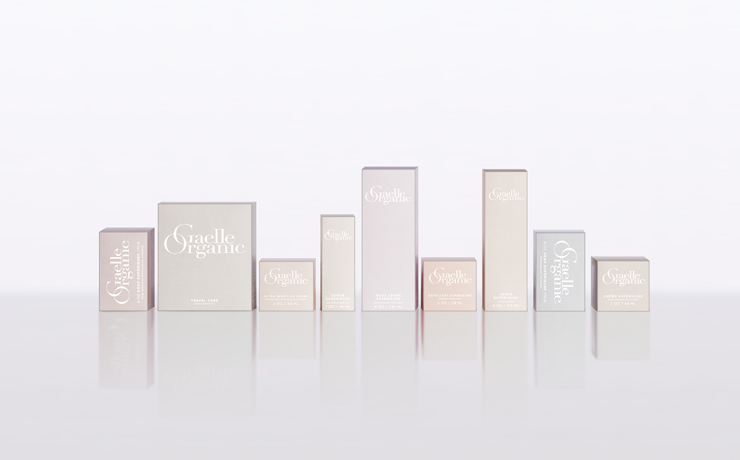

Over the years, I've seen many women reach a point where stronger treatments no longer provide the answers they're looking for. Supporting the skin barrier often becomes the key to restoring comfort, balance, and lasting luminosity.
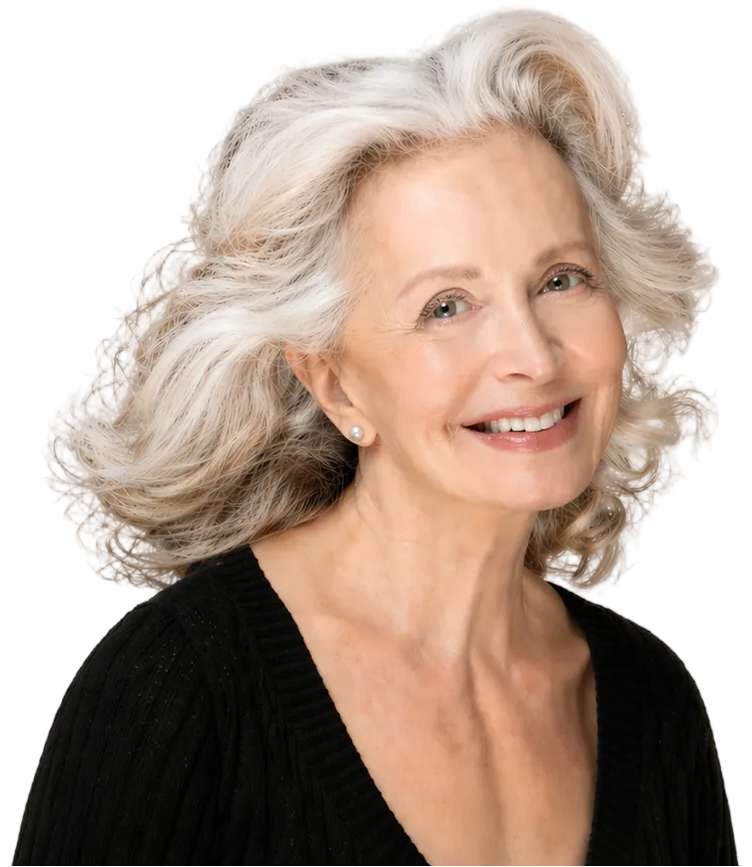
How the Skin Barrier Changes With Age
Why mature skin often becomes drier, more reactive, and slower to recover, and what helps support it.
As skin matures, many of the changes we notice on the surface begin within the skin barrier itself. Moisture escapes more easily, environmental stress has a greater impact, and skin can become less resilient than it once was.
Understanding these changes can help explain why routines that worked years ago may no longer provide the same comfort, luminosity, or lasting hydration.
What Is the Skin Barrier?
The skin barrier is the outermost layer of the skin. It acts as a protective shield, helping to retain moisture while defending against environmental stressors.
When functioning well, the barrier helps skin feel comfortable, smooth, resilient, well-hydrated and naturally luminous.
A healthy barrier is not simply about appearance. Healthy skin barrier function plays a central role in how skin feels, responds, and functions every day.
Why the Skin Barrier Changes With Age
— Gaelle Kennedy
As we age, several natural processes begin to slow.
The skin produces less oil than it once did. Moisture retention becomes less efficient. Cell turnover gradually decreases, and recovery from environmental stress often takes longer.
These changes can make skin feel:
- Drier
- Less supple
- More easily irritated
- More sensitive to weather and environmental conditions
- Less able to maintain consistent hydration
Many women describe this period as a point where their skin suddenly seems to "need more" from their moisturizer than it did in the past.
The reason is often not simply dehydration. It is a gradual decline in skin barrier function that naturally occurs with age.
Signs Your Skin Barrier May Need More Support
Barrier changes do not always appear as obvious irritation. Often, they show up as subtle shifts in how the skin behaves.
Common signs include:
- Persistent dryness despite regular moisturizing
- Tightness after cleansing
- A dull or tired appearance
- Rough texture
- Increased sensitivity to products that were previously well tolerated
- Makeup settling more noticeably into fine lines
These experiences become increasingly common as skin matures.
Why More Active Ingredients Are Not Always the Answer
When skin begins to look dull or feel dry, many people respond by adding more products.
Additional exfoliants, stronger treatments, and increasingly complex routines can sometimes create the opposite of the intended effect.
For mature skin, maintaining barrier function often becomes more important than aggressively pursuing correction.
This does not mean abandoning active ingredients entirely. It means ensuring that hydration, nourishment, and barrier support remain the foundation of the routine.
For many women, this shift begins with choosing a moisturizer that prioritizes long-term skin function and moisture retention rather than short-term stimulation. Learn more about choosing an organic moisturizer for aging skin.
When the barrier is functioning well, skin is often better able to tolerate and benefit from the products applied to it.
The Role of Oils in Supporting the Aging Skin Barrier
Natural oils play an important role in helping support the skin's ability to retain moisture.
Unlike water-based hydration alone, oils help reduce moisture loss from the skin's surface while contributing to comfort and softness.
This becomes increasingly important as natural oil production declines with age.
For many women, formulas that combine hydration with nourishing botanical oils provide a more lasting sense of comfort than lightweight moisturizers alone.
Learn why oil-based moisturizers work differently.
How To Support The Skin Barrier As Skin Ages
The goal is not necessarily to use more products.
Often, a simpler approach focused on barrier support can be more effective.
A mature skin routine may include:
- Gentle Cleansing
Avoid cleansers that leave skin feeling stripped or tight.
- Regular Moisturizing
Apply moisturizer morning and evening to help support moisture retention throughout the day.
- Barrier-Friendly Ingredients
Look for formulas designed to nourish and support skin function rather than overwhelm it.
- Consistency
Barrier support is cumulative. While comfort and luminosity may improve quickly, resilience develops through regular care over time.
How Crème Supérieure Supports Mature Skin
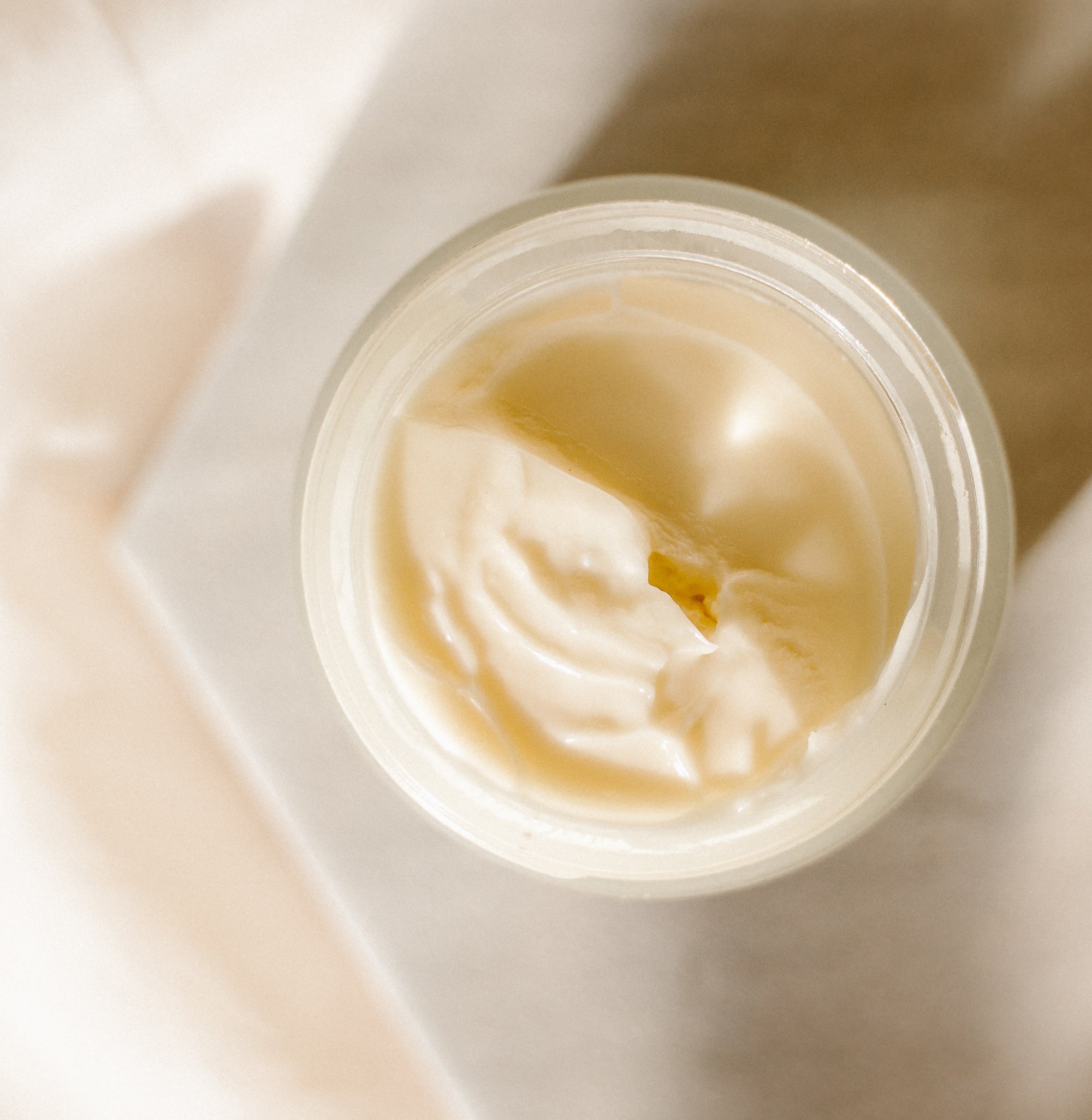
Crème Supérieure was formulated with the needs of mature skin in mind.
Rather than focusing on aggressive correction, the formula emphasizes lasting moisture, comfort, nourishment, and support for healthy skin barrier function. The combination of moisture-binding ingredients and nourishing botanical oils helps support the skin's natural protective barrier while promoting long-lasting comfort.
Many customers notice that their skin feels more comfortable and balanced within days. With continued use, luminosity, softness, and overall skin quality continue to evolve over time.
For women whose skin no longer responds well to overly complex routines, a barrier-focused approach often becomes the foundation for healthier-looking skin.
Not Sure What Your Skin Needs Most?
Every person's skin ages differently.
If you're unsure whether your primary concern is moisture loss, sensitivity, dryness, or overall skin balance, our Skin Quiz can help guide you toward the most appropriate routine.
You may also enjoy:
Frequently Asked Questions
As skin ages, natural oil production decreases and moisture retention becomes less efficient. These changes can make skin feel drier, less resilient, and more prone to discomfort.
One reason is that the skin produces less oil over time. Because oils help reduce moisture loss, skin may struggle to maintain hydration as effectively as it did when younger.
Natural aging, environmental exposure, harsh cleansing, excessive exfoliation, and moisture loss can all contribute to a weaker skin barrier over time.
Many mature skin types benefit from moisturizers that include nourishing oils because they help reduce moisture loss and support long-lasting comfort. The ideal formula depends on individual skin needs.
A gentle cleanser, consistent moisturizing, barrier-supportive ingredients, and avoiding harsh exfoliation can all help support healthy skin function.
Many people notice improved comfort and hydration within days of adopting a barrier-supportive routine. Improvements in resilience, softness, and overall skin quality often develop gradually with consistent care.
Many people notice improvements in skin comfort, hydration, and overall softness within days of adopting a barrier-supportive routine. However, improvements in skin barrier function, resilience, and long-term moisture retention typically develop gradually through consistent care over time.
The exact timeline varies depending on factors such as age, environment, skin condition, and the products being used. For mature skin, a gentle, consistent approach often produces more lasting results than frequent changes to the routine.